- 7 min read
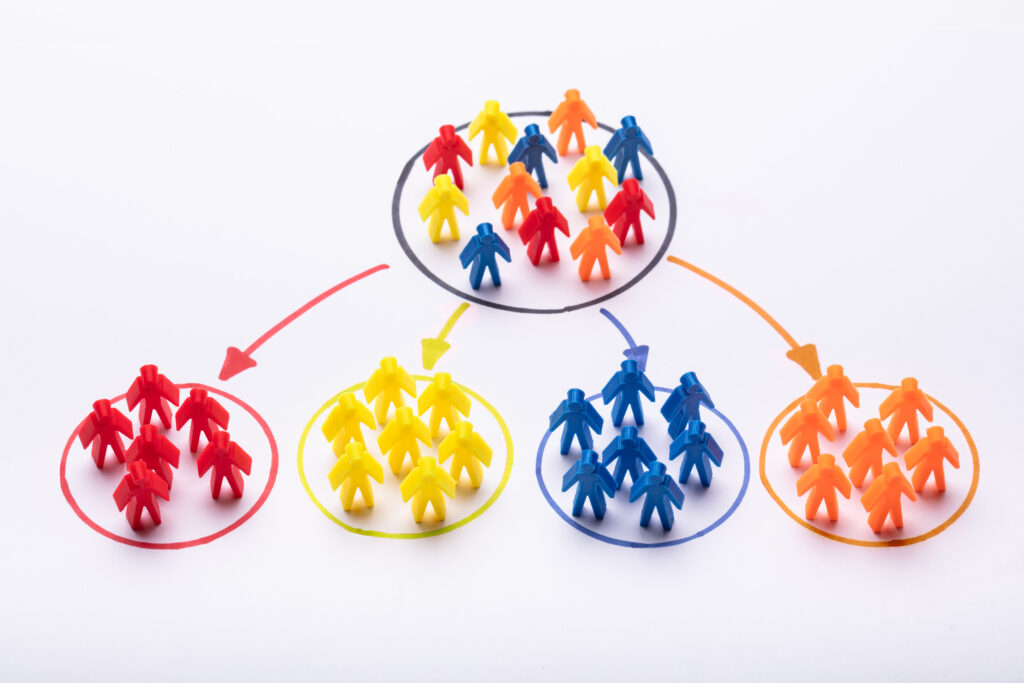
In an era where data drives decisions, businesses and organizations are constantly seeking deeper insights into their audiences. One of the most foundational elements of understanding an audience is analyzing demographic groups. These groupings help segment populations based on shared characteristics, enabling businesses to craft more personalized, impactful strategies.
In this blog post, we’ll explore what demographic groups are, why they matter, the types of demographic segments, how they’re used in marketing, the challenges involved, and how platforms like Survey Flip can simplify the process.
What Are Demographic Groups? A Simple Definition
Demographic groups refer to categories of individuals who share common attributes such as
- Age
- Gender
- Income level
- Education level
- Occupation
- Marital status
- Ethnicity
- Religion
- Geographic location
These groupings are statistical and measurable, making them useful for businesses, governments, and researchers to analyze behaviors, trends, and preferences.
For instance, a 25-year-old urban professional will likely have different spending habits, media consumption patterns, and lifestyle preferences compared to a 60-year-old retiree in a rural area. Recognizing these differences through demographic segmentation helps tailor messaging, product offerings, and services to suit specific groups.
Demographic data is typically collected through surveys, customer records, census data, and online behavior tracking. This information becomes invaluable in identifying target audiences and crafting strategies that resonate.
Why Demographic Groups Are Important for Businesses
Understanding demographic groups is not just about identifying who your audience is—it’s about knowing what they want, how they behave, and how to connect with them effectively. Here’s why they are so critical in the business landscape:
1. Targeted Marketing
Demographic segmentation enables marketers to create customized campaigns for specific groups. For example, a company promoting fitness supplements may target males aged 18–35 who are interested in bodybuilding. Instead of a one-size-fits-all approach, they can craft messages that speak directly to this group’s interests and values.
2. Product Development
When businesses understand the demographic makeup of their audience, they can design products that better fit their needs. For instance, baby care companies focus on new parents (typically in their 20s and 30s), while luxury car brands may focus on high-income individuals aged 40 and above.
3. Customer Retention and Experience
By tailoring user experiences to specific demographics—like offering multiple language options or addressing generational concerns—businesses can enhance satisfaction and loyalty.
4. Efficient Use of Resources
Demographic targeting helps avoid wasted marketing spend. Instead of broadcasting a message to a broad audience, businesses can zero in on segments that are most likely to convert, reducing costs and increasing ROI.
Types of Demographic Groups You Should Know
Demographics cover a wide range of human characteristics. Let’s delve deeper into some of the key demographic categories used in research and business:
1. Age
Age is one of the most basic yet influential demographic variables. People in different life stages—children, teens, young adults, middle-aged individuals, and seniors—tend to have distinct needs, behaviors, and preferences.
Marketers often segment age groups by generations:
- Gen Z (born 1997–2012)
- Millennials (1981–1996)
- Gen X (1965–1980)
- Baby Boomers (1946–1964)
Each generation grows up with different technologies, societal values, and experiences that shape their worldview and purchasing behavior.
2. Gender
Gender plays a key role in shaping consumer behavior. While modern marketing emphasizes inclusivity and gender diversity, understanding gender-based trends can still guide product development, packaging, and advertising. For example, skincare brands may develop different lines for men and women, while also introducing gender-neutral options.
3. Income Level
A person’s income directly affects their purchasing power. Businesses often segment audiences into income brackets (e.g., low, middle, high) to align their offerings. Luxury brands, for instance, focus on affluent consumers who value exclusivity, while budget-friendly companies target price-conscious buyers.
4. Education Level
Education impacts interests, lifestyle, and even language preferences. Higher education levels often correlate with higher income and different types of media consumption or decision-making processes.
5. Marital and Family Status
Single individuals, married couples, and parents with children all have different priorities. A vacation package for a young couple might emphasize adventure and nightlife, while a family-oriented one would focus on safety, kids’ activities, and convenience.
6. Occupation
Profession also influences lifestyle and needs. White-collar professionals might value productivity tools and business attire, while blue-collar workers may prioritize durability and functionality in the products they buy.
7. Geographic Location
Where people live—urban vs. rural, coastal vs. inland, or country to country—affects everything from climate-related needs to cultural values. A successful marketing campaign in New York City may not work in a small town in Texas without adjustments.
How to Use Demographic Groups in Marketing Effectively
To harness the power of demographic groups, marketers must move beyond basic segmentation and apply strategic insights to campaign planning and execution. Here’s how:
1. Develop Personas
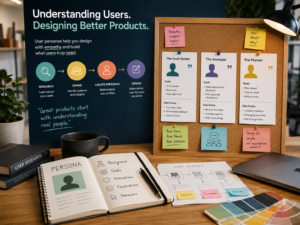
Start by creating detailed buyer personas based on demographic data. For example, a persona might be “Linda, a 35-year-old working mother of two in a suburban area, with a household income of $90,000.” These personas guide content creation, product design, and channel selection.
2. Craft Personalized Content
Different demographics engage with content in different ways. Teens may prefer short-form videos and memes, while older adults may prefer blog posts or email newsletters. Knowing this helps in content creation and delivery.
3. Choose the Right Platforms
Understanding where each demographic spends their time is essential. Gen Z might prefer TikTok and Snapchat, Millennials lean towards Instagram, while older adults may still favor Facebook or even email.
4. Tailor Offers and Promotions
Demographics influence how people perceive value. Students may respond to discounts, while higher-income earners might be drawn to exclusivity. Tailoring promotions to these preferences boosts engagement.
5. Measure and Optimize
Regularly analyze campaign performance by demographic group. Track which segments are engaging the most and converting at higher rates, and use that data to refine your approach.
Common Challenges in Understanding Demographic Groups
While demographic analysis can be powerful, it comes with limitations and risks if not handled carefully.
1. Risk of Oversimplification
Relying solely on demographics can lead to stereotypes and generalizations. Not all millennials are tech-savvy, and not all seniors are technophobic.
2. Intersectionality
Individuals often belong to multiple demographic groups that intersect in unique ways. For example, a middle-aged Hispanic woman living in a rural town will have different needs than someone of the same age in an urban setting.
3. Data Privacy
Collecting and analyzing demographic data must comply with regulations like GDPR or CCPA. Businesses must ensure transparency, security, and ethical usage of customer data.
4. Changing Trends
Demographic preferences are not static. As social values shift, so do consumer behaviors. Brands need to continually update their understanding of each group.
How Survey Flip Helps You Analyze Demographic Data
Survey Flip is a comprehensive platform that simplifies demographic data collection and analysis, empowering businesses to make data-driven decisions. Here’s how it helps:
✅ Advanced Survey Tools
Survey Flip allows users to design smart surveys with skip logic, branching, and question customization based on demographic responses. This leads to higher quality insights.
✅ Precise Targeting
With access to a large and diverse sample pool, Survey Flip enables targeting of specific demographic segments for research, making your results more relevant and accurate.
✅ Segmentation and Reporting
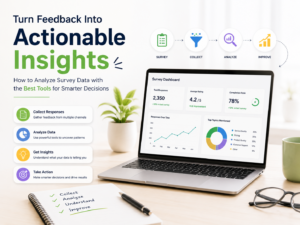
Survey Flip’s analytics tools allow businesses to break down responses by demographic category. You can visualize how different segments responded to your survey and draw conclusions accordingly.
✅ Panel Management
Companies can build and manage their own panels segmented by demographics, allowing for longitudinal studies and continuous engagement.
✅ Compliance and Security
The platform follows data protection regulations, ensuring your data collection process is ethical and legally compliant.
Conclusion
Demographic groups are at the heart of effective audience understanding. By breaking down large populations into smaller, more manageable segments, businesses can craft more relevant, personalized experiences that foster loyalty and increase conversion rates.
While demographic data offers valuable insights, it’s most powerful when used in combination with behavioral and psychographic data. And with tools like Survey Flip, organizations can collect, analyze, and act on demographic data with confidence and precision.
Whether you’re a marketer, researcher, or entrepreneur, understanding demographic groups isn’t just useful—it’s essential for sustainable success in today’s competitive marketplace.